
In just over two decades, competitive gaming has evolved from dimly lit LAN parties to global arenas filled with roaring fans, million-dollar prize pools, and broadcast deals rivaling traditional sports. The esports industry has grown into a financial powerhouse, with global revenues surpassing a billion dollars annually, and sponsorships emerging as its economic backbone. Behind every team jersey, tournament stage, and live-stream overlay lies a complex web of brand deals, partnerships, and financial strategies. Yet sponsorship in esports is not merely about money—it’s about identity, influence, and the shaping of gaming culture itself. As much as esports shapes entertainment, sponsorships shape esports.
The Rise of Esports as a Commercial Force
Once dismissed as a hobby for niche audiences, competitive gaming has exploded into mainstream consciousness. Games like League of Legends, Counter-Strike 2, Dota 2, and Valorant have transformed into global entertainment ecosystems. Millions tune in to watch tournaments, and top players command celebrity status rivaling that of traditional athletes. But this meteoric rise did not occur in isolation—it was fueled by business infrastructure.
At the heart of that infrastructure is sponsorship. While ticket sales and streaming revenue contribute to the financial model, they pale in comparison to corporate sponsorships. Brands from every corner—technology, fashion, food, automotive, and finance—have sought to tap into esports’ passionate, youthful demographic. Coca-Cola sponsors Overwatch League, Red Bull supports esports athletes worldwide, and BMW partners with major teams like Fnatic and Cloud9. Each logo on a player’s jersey represents a financial lifeline that keeps organizations operational in a highly competitive market.
Sponsorship transformed esports from community-driven competition into a structured, sustainable industry. But the question remains: is sponsorship simply fueling growth, or is it also shaping what the industry becomes?
Money Meets Meaning: Why Brands Flock to Esports
To understand sponsorship’s power, one must first understand its appeal. Esports offers brands something traditional sports cannot: an audience deeply embedded in digital culture. This audience isn’t just large—it’s engaged. Fans follow their favorite players on Twitch, interact in real-time chats, and consume content daily across multiple platforms. For marketers, this represents a goldmine of direct engagement.
Moreover, esports is inherently global. A League of Legends tournament may feature Korean, European, and North American teams, with fans from dozens of countries tuning in simultaneously. This worldwide reach makes esports sponsorship a uniquely efficient marketing investment. In an age where attention is fragmented, esports provides an always-online, always-connected audience—a marketer’s dream.
Brands, however, must tread carefully. The esports community is wary of inauthenticity. Traditional advertising can feel intrusive or tone-deaf to gaming culture, where authenticity, humor, and relatability reign supreme. Successful sponsors—like Red Bull or Intel—don’t just slap logos on screens; they contribute to the ecosystem by hosting tournaments, producing player documentaries, and improving gaming technology. Sponsorship in esports isn’t about visibility—it’s about belonging.
How Sponsorships Shape Teams and Players
Esports organizations operate in a volatile environment. Unlike traditional sports teams that benefit from decades of local loyalty, esports teams rely on transient fandom built through digital presence and performance. Sponsorships provide the stability these teams desperately need.
Take Team Liquid, one of the world’s most successful esports organizations. Its partnerships with companies like Alienware, Monster Energy, and Honda aren’t just financial transactions—they influence how the team operates, what content they produce, and even how they brand themselves. A partnership with Alienware, for example, resulted in the creation of state-of-the-art training facilities, shaping how players practice and compete.
But sponsorship also brings subtle pressure. Teams are often expected to maintain a certain image that aligns with brand values—professional, family-friendly, or aspirational. A controversial tweet, poor sportsmanship, or a scandal can cost not only reputation but millions in sponsorship losses. This dynamic adds an additional layer of management to esports organizations, forcing them to balance authenticity with corporate responsibility.
Players, too, are shaped by these relationships. Many become personal brands themselves—streaming on Twitch, promoting sponsors on social media, and appearing in ad campaigns. In some cases, sponsorships give players new opportunities to grow; in others, they can feel like constraints, where athletes become walking billboards. The balance between personal expression and professional obligation is delicate, especially in a culture that values both individuality and performance.
The Spectacle of Sponsored Events
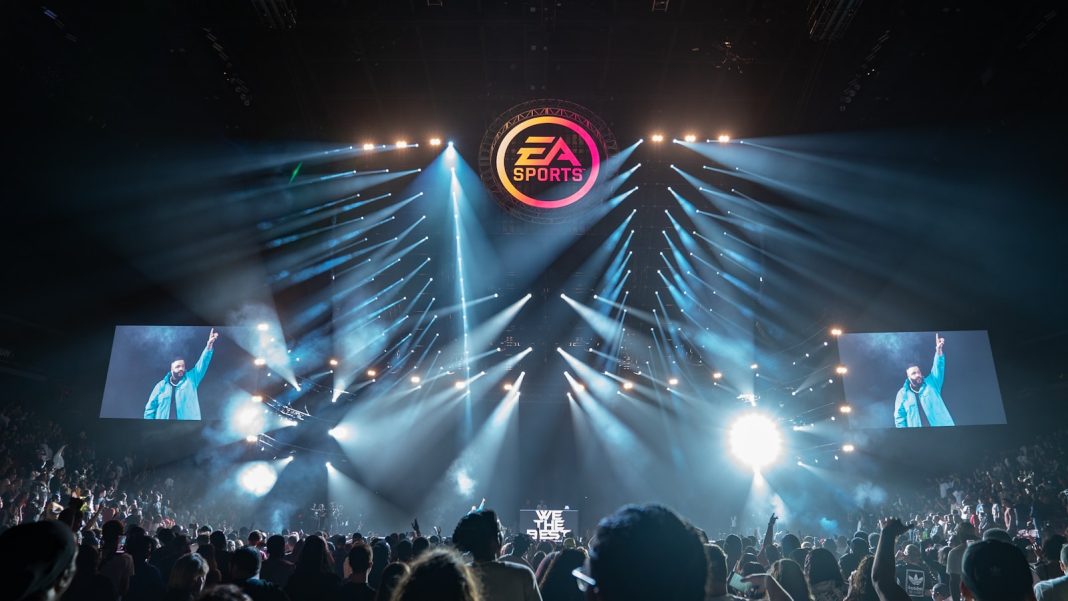
The modern esports spectacle—complete with elaborate stages, LED walls, and cinematic production—owes much of its existence to sponsors. Hosting a major tournament can cost millions, from venue rental to broadcasting logistics, and most of that funding comes from corporate partners.
Consider The International, Valve’s annual Dota 2 championship. Though much of its prize pool comes from player purchases, the event’s grandeur—the lights, visuals, and global media coverage—is sustained by sponsor partnerships. Similarly, Riot Games’ League of Legends World Championship showcases brand integration at its finest: sponsors like Mercedes-Benz, Mastercard, and State Farm are woven seamlessly into broadcasts, creating a polished experience that mirrors traditional sports without losing its digital soul.
Sponsorship has also influenced how games themselves are designed and marketed. Developers recognize the value of competitive visibility, tailoring game modes, camera tools, and broadcast features for sponsor-friendly presentation. Esports has, in many ways, become an ecosystem where competition, entertainment, and advertising merge into one cohesive experience.
From Energy Drinks to Banks: The Broadening Landscape of Sponsors
Early esports sponsors were largely tech companies—hardware manufacturers, gaming peripherals, and energy drink brands catering to young male audiences. But as esports matured, so did its sponsorship base. Today, banks, insurance companies, car manufacturers, and fashion houses all see opportunity in gaming culture.
Louis Vuitton’s collaboration with League of Legends in 2019 marked a turning point. The luxury brand designed in-game items and physical trophies, bridging high fashion and gaming for the first time. Soon after, Gucci partnered with Fnatic, Nike sponsored the LPL in China, and Mercedes-Benz became synonymous with esports excellence. These moves redefined what it means to “belong” in gaming—broadening the audience and elevating the industry’s image beyond youthful rebellion to global sophistication.
Yet, this influx of mainstream brands also raises questions about identity. As sponsorship money flows in, esports risks losing some of its grassroots authenticity—the raw, community-driven spirit that first defined it. There is a delicate balance between commercial growth and cultural preservation. Too much corporate influence, and esports could become indistinguishable from the heavily commercialized world of traditional sports.
Challenges and Ethical Questions
Sponsorship, while vital, is not without controversy. Some partnerships have sparked backlash when fans feel brands don’t align with gaming values. For instance, deals with gambling companies or environmentally questionable corporations have been met with criticism. The esports community, vocal and digitally active, doesn’t hesitate to call out hypocrisy.
Additionally, the dependence on sponsorship creates financial instability. When major sponsors withdraw—whether due to market downturns or PR issues—entire organizations can collapse overnight. Unlike traditional sports, which enjoy multiple revenue streams like broadcasting rights and ticket sales, esports still relies heavily on sponsorships as its financial foundation. This dependence makes the industry vulnerable to sudden shifts in corporate priorities.
There’s also the matter of fairness. Sponsorship tends to concentrate around the most visible teams and regions, leaving smaller organizations struggling for survival. This imbalance can hinder the growth of local scenes and emerging talents, reinforcing a hierarchy that mirrors other commercial industries.
The Future of Esports Sponsorship
The next era of esports sponsorship will likely focus on integration rather than exposure. As audiences grow more discerning, brands will need to provide genuine value—supporting player wellness, funding grassroots tournaments, or contributing to sustainable gaming practices. Emerging technologies like augmented reality and blockchain may open new avenues for fan engagement, offering interactive sponsorship experiences where players and viewers become active participants in brand stories.
Esports also holds the potential to reshape sponsorship itself. Unlike traditional media, gaming allows for two-way interaction—fans can click, chat, and share in real time. This feedback loop could redefine how brands measure impact, making sponsorship less about static visibility and more about living participation.
Ultimately, the future of esports sponsorship will depend on mutual respect: brands that understand gaming culture will thrive, while those who treat it as another billboard will fade into irrelevance.