
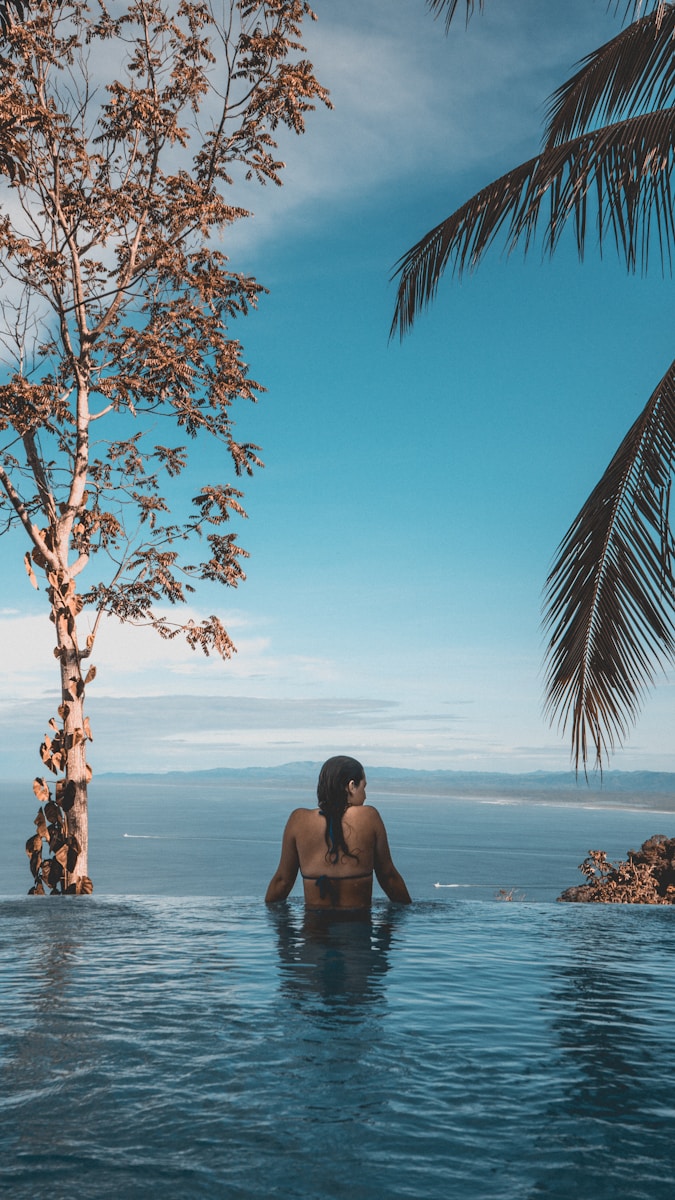
The world is vast, yet travel often feels small. The same destinations appear again and again on social media feeds — Paris at sunset, Bali’s beaches, Tokyo’s neon skyline, Iceland’s waterfalls. Beautiful, yes, but familiar. In a post-pandemic world where wanderlust has been rekindled, travelers are craving something more: authenticity, discovery, and connection. The year 2026 marks not just a return to global travel but a redefinition of it — a shift toward the hidden paradises that offer beauty without the crowds, culture without the commercial gloss, and wonder without the filters.
Across continents, new corners of the planet are quietly rising into view. They’re not new on the map — only new in our imagination. These underrated destinations, once overlooked, now stand as symbols of travel’s evolution: mindful, local, and deeply human.
- Albania: Europe’s Unpolished Gem
If you were to close your eyes and imagine the Adriatic coast — turquoise seas, white-stone villages, olive trees swaying in the wind — you might think of Croatia or Greece. But just a few hours south, Albania offers all of that and more, without the tourist saturation. Once isolated under decades of dictatorship, Albania remained off the radar for years. But in 2026, it’s fast becoming Europe’s best-kept secret.
The Albanian Riviera stretches from Vlorë to Sarandë, with hidden beaches like Drymades and Borsh that rival the Mediterranean’s finest. Inland, the Accursed Mountains (aptly named for their wild beauty) invite hikers into valleys where time seems to have stopped. Villagers still make bread by hand and offer travelers homemade raki as a gesture of welcome. The capital, Tirana, hums with youthful energy — colorful buildings, rooftop bars, and a creative scene that feels refreshingly authentic.
Albania’s appeal lies in its contradictions: ancient ruins beside modern cafés, rugged wilderness beside crystal seas. It’s Europe without the queues — a place where adventure and authenticity still coexist.
- Namibia: Africa’s Desert Dreamscape
In a world obsessed with tropical jungles and dense rainforests, Namibia stands apart — a country defined by vastness, silence, and surreal beauty. The Namib Desert, one of the oldest in the world, looks like another planet: dunes the color of fire at sunrise, skeletal trees frozen in time at Deadvlei, and a sky so clear it seems infinite.
In 2026, Namibia is emerging as Africa’s next major eco-travel destination. Unlike its crowded neighbors, it offers solitude. Travelers can drive for hours through landscapes that shift from desert to salt pan to savanna, encountering herds of oryx or the occasional elephant wandering across empty plains.
Etosha National Park remains a highlight, with watering holes that create perfect natural theaters for wildlife viewing. But beyond safaris, Namibia is redefining sustainable travel. Lodges built into the landscape use solar power and work directly with local tribes like the Himba and Herero, ensuring tourism uplifts rather than exploits.
Namibia’s beauty isn’t just visual — it’s existential. It reminds you of scale, silence, and the rare gift of being alone with the earth.
- Slovenia: The Green Heart of Europe
Tucked between Italy, Austria, and Croatia, Slovenia is a country that defies easy categorization — alpine peaks, vineyard valleys, medieval towns, and a sliver of Adriatic coast. Long overshadowed by its neighbors, Slovenia has quietly become a model for sustainable tourism. By 2026, it’s being hailed as “Europe’s first green paradise.”
Ljubljana, its capital, banned cars from the city center years ago, transforming its cobblestone streets into pedestrian zones lined with cafés, art galleries, and riverfront markets. Outside the city, Lake Bled still enchants visitors with its storybook island church, but those seeking solitude can head to Lake Bohinj, a quieter, wilder counterpart surrounded by the Julian Alps.
For food lovers, Slovenia’s farm-to-table culture is a revelation. Michelin-starred restaurants source ingredients from local farmers, and every region has its own wine tradition. The country’s ethos — harmony between people and nature — feels like a glimpse of what travel could be if done right: sustainable, soulful, and quietly luxurious.
- The Azores: Portugal’s Atlantic Secret
Floating in the middle of the Atlantic Ocean, the Azores feel like a world apart — a cluster of nine volcanic islands that blend European charm with untamed nature. While Portugal’s mainland attracts millions each year, the Azores have remained delightfully under-visited, though that’s beginning to change in 2026.
São Miguel, the largest island, is a dreamscape of crater lakes, hot springs, and emerald pastures. You can sip locally grown tea (Europe’s only tea plantations), hike to the twin lakes of Sete Cidades, or watch sperm whales breach just offshore. On Pico Island, travelers climb the country’s highest volcano and sample wines grown in volcanic soil, a UNESCO-protected tradition dating back centuries.
What makes the Azores special is their unpretentiousness. It’s a place where farmers, fishermen, and travelers coexist easily — where nature dominates without feeling distant. In a time when over-tourism threatens many destinations, the Azores stand as proof that preservation and discovery can coexist beautifully.
- Georgia: The Crossroads of Old and New
At the intersection of Europe and Asia lies Georgia, a country whose spirit is as bold as its wine. For years, it lingered in obscurity, known mainly to adventurous backpackers. But in 2026, Georgia is having its moment — a blend of ancient culture, unspoiled landscapes, and warm hospitality.
Tbilisi, the capital, is a city of contrasts: cobblestone alleys meet futuristic architecture, and centuries-old sulfur baths sit beside avant-garde wine bars. Venture beyond the city, and the Caucasus Mountains rise dramatically — home to remote monasteries and trails that rival the Alps in beauty but not in crowds.
Georgia’s culinary scene is another revelation. Khachapuri (cheese-filled bread), khinkali (dumplings), and amber-hued natural wines define a cuisine that feels both ancient and inventive. Locals often say “every guest is a gift from God,” and in Georgia, that’s not a cliché — it’s a way of life.
This mix of old-world charm and modern creativity makes Georgia a hidden paradise not just for scenery but for spirit.
- Laos: The Soul of Southeast Asia
While Thailand and Vietnam draw millions of tourists, their quiet neighbor Laos offers something increasingly rare: peace. The country remains one of Asia’s most underrated gems, a place where temples outnumber skyscrapers and time seems to move at half speed.
In 2026, Laos is embracing slow travel as its identity. The UNESCO-listed town of Luang Prabang is a cultural treasure — saffron-robed monks walking at dawn, French colonial architecture glowing in the evening light, and the Mekong River winding silently by. Beyond it, the karst landscapes of Vang Vieng and the waterfalls near Pakse invite exploration without the frenzy of crowds.
Laos is also leading a subtle eco-tourism movement, with community-based lodges and programs that reinvest in local education and conservation. Here, travel feels meaningful — a dialogue between visitor and place, rather than a transaction.
- Chilean Patagonia: The Edge of the World
Few places stir the imagination like Patagonia — a region of staggering beauty shared by Chile and Argentina. In 2026, the Chilean side is capturing renewed attention for its focus on conservation and its otherworldly landscapes.
Torres del Paine National Park remains its crown jewel, where jagged peaks, sapphire lakes, and wild guanacos paint a dreamlike tableau. But beyond the famous routes, lesser-known areas like the Aysén region are emerging as the next frontier. There, glaciers, fjords, and remote estancias create the feeling of stepping into a living postcard.
Sustainable lodges and rewilding projects led by the Tompkins Conservation are restoring native species and ecosystems, making Patagonia not just a destination but a story of renewal. Standing at the edge of the world, surrounded by wind and silence, one understands what the phrase hidden paradise truly means: not perfection, but presence.
The New Spirit of Travel
If there’s a common thread among these hidden paradises, it’s that they redefine what travel means in 2026. Travelers are no longer chasing checklists or Instagram moments. They’re seeking experiences that ground them — places where culture feels lived-in, nature feels sacred, and every journey leaves a smaller footprint.
This shift is part rebellion, part rediscovery. The pandemic reminded the world of fragility — of nature, of culture, of time. The new traveler is curious, conscious, and humble. They understand that paradise isn’t always a tropical cliché — sometimes it’s a quiet mountain village, a desert under starlight, or a shared meal in a faraway kitchen.