
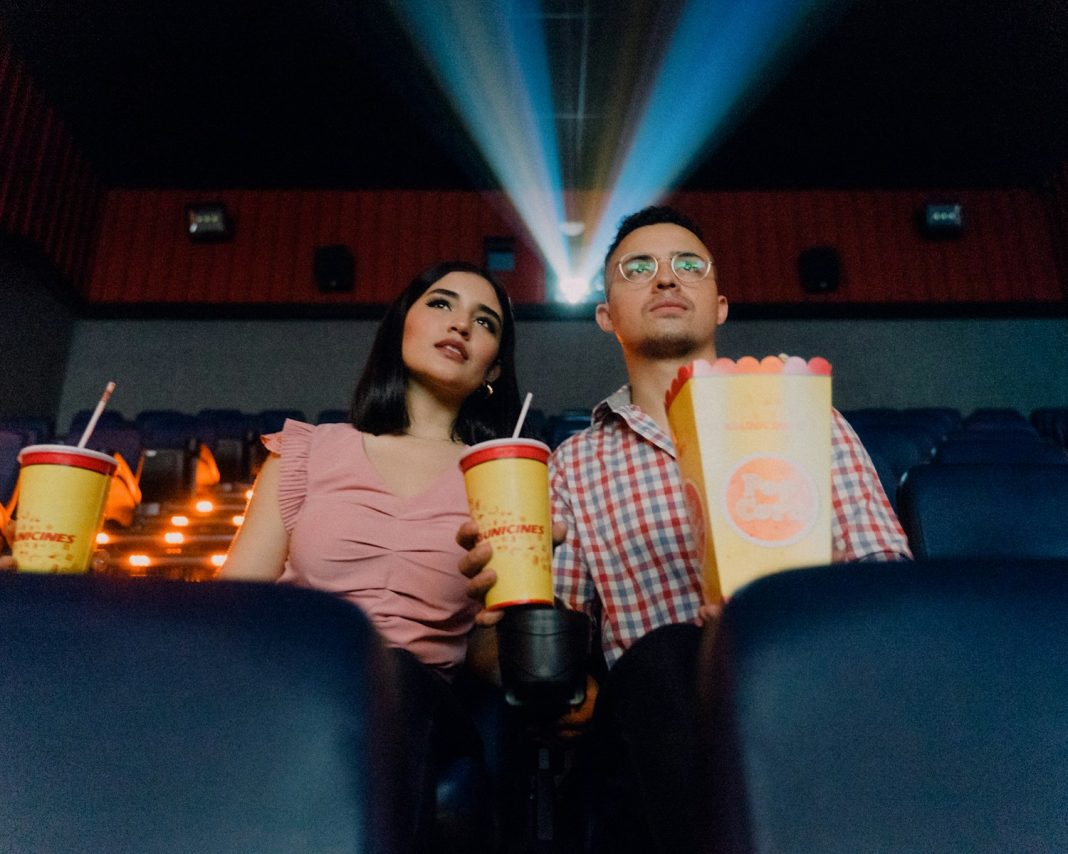
For a while, it looked like the end of an era. The pandemic emptied theaters, streaming platforms exploded, and countless pundits declared that the magic of the big screen had finally faded. Why drive to a theater when every blockbuster, indie film, or documentary could be streamed from the couch, with snacks cheaper and the pause button within reach? But something unexpected happened: audiences came back. Slowly, then steadily, people returned to the theater. And in that comeback lies a story of reinvention — one where cinemas aren’t just surviving but evolving to redefine what it means to experience movies together.
Cinema, it turns out, is not just about the film itself. It’s about the ritual, the emotion, and the collective heartbeat of strangers sitting in the dark. Theaters have rediscovered this truth, and in doing so, they’re building a future where the magic of the movies feels more alive than ever.
From Decline to Redesign
Before COVID-19, theaters were already facing challenges. Ticket sales had been slowly declining for years, and the convenience of streaming services like Netflix, Hulu, and Disney+ had reshaped audience habits. People had grown used to choice — instant, unlimited, and at home. When the pandemic hit, lockdowns forced theaters to close entirely, and many predicted that once audiences got comfortable with home entertainment, they would never come back.
But humans are social creatures. And while streaming offered convenience, it couldn’t replicate the shared pulse of a theater — that collective gasp at a plot twist, the laughter that rolls across rows, the silence that fills a room during a powerful scene. Theaters began to realize that to survive, they didn’t just need to show movies — they needed to create experiences.
So, they reinvented themselves.
Luxury Over Volume: The Era of Premium Experience
Gone are the days when theaters tried to pack as many seats as possible into narrow, uncomfortable spaces. Modern cinemas are embracing luxury as their new identity. Reclining leather chairs, gourmet food menus, craft cocktails, and even in-seat service have become standard in many locations. Chains like AMC, Alamo Drafthouse, and Cinepolis are leading the charge, turning theaters into high-end lounges rather than simple screening rooms.
The strategy works because it acknowledges a new truth: audiences no longer go to theaters for every movie — they go for the ones that feel worth the trip. Theaters are responding by making that trip special.
Watching Oppenheimer on a massive IMAX screen or Avatar: The Way of Water in 3D isn’t just about content — it’s about immersion. The booming sound, the scale of the image, and the physicality of the space create an emotional impact that even the best home theater can’t fully match. As one film critic put it, “A movie on your couch is consumption; a movie in a theater is communion.”
The Power of Nostalgia and Community
Theaters are also tapping into nostalgia — not just for old movies, but for shared experiences. Many cinemas now host throwback nights, screening classics like The Godfather, Titanic, or Back to the Future. These events attract not only older audiences who remember seeing those films originally but also younger generations eager to experience them for the first time on the big screen.
Some theaters have turned these screenings into full-blown themed events. Dressing up for Barbie screenings, quoting along to Rocky Horror Picture Show, or singing through Mamma Mia! turns the moviegoing experience into participatory theater. It’s no longer passive watching — it’s active celebration.
Independent and boutique cinemas are especially thriving in this space. By curating unique lineups, hosting film discussions, and supporting local filmmakers, they’ve become cultural hubs rather than just entertainment venues. Theaters like New York’s Metrograph or Los Angeles’s Landmark are combining art, food, and conversation — blending film culture with community engagement.
Technology as Revival, Not Replacement
Ironically, technology — once seen as the threat to theaters — is now one of their greatest tools for reinvention. Advances in projection and sound have made the cinematic experience sharper, louder, and more immersive than ever. Formats like IMAX, Dolby Cinema, and 4DX are drawing audiences who crave sensory depth.
4DX, for example, takes immersion to another level, combining motion seats, scent effects, and environmental simulations — turning an action film into something like a theme park ride. While it’s not for everyone, the spectacle reminds audiences that movies can still feel larger than life.
AI and data analytics are also quietly transforming operations. Theaters now analyze customer preferences, track attendance patterns, and tailor marketing to specific demographics. Personalized promotions — from birthday discounts to film recommendations based on past attendance — make audiences feel recognized. Technology, rather than distancing people, is helping bring them closer to the experience.
Food, Drinks, and the “Social Cinema” Revolution
The line between restaurant and cinema is blurring fast. Theaters are transforming into hybrid spaces that combine dining, socializing, and entertainment. The Alamo Drafthouse pioneered this concept with its famous “dinner-and-a-movie” model, featuring themed menus inspired by current releases. Others, like Everyman Cinemas in the UK, blend cozy seating, wine service, and gourmet bites into an atmosphere that feels more like a boutique café than a theater.
Even larger chains have followed suit. AMC introduced “AMC Dine-In” theaters, offering full meals delivered to seats. Cinepolis offers a luxury tier with waitstaff service. These aren’t gimmicks—they’re strategies to reposition theaters as social destinations rather than transactional venues.
People no longer just go to “watch” a movie—they go to share an evening. For couples, families, and groups of friends, the theater has reemerged as a space of connection. It’s where birthdays are celebrated, dates begin, and weekends are reclaimed from the endless scroll of digital options.
Indie Renaissance: The Local Theater Reborn
While big chains modernize with luxury, smaller theaters are redefining themselves through personality. Across cities and towns, independent cinemas have found new life by embracing authenticity and curation. They’re offering what algorithms can’t: taste.
Local theaters often focus on underrepresented voices, indie films, and documentaries, providing a platform for stories that streaming services might bury under endless recommendations. Events like Q&As with directors, live performances, or collaborations with local artists give these venues cultural credibility.
In many ways, these smaller theaters have become sanctuaries for film lovers. Their appeal isn’t scale—it’s soul. They remind audiences that cinema, at its heart, is a conversation between creators and viewers. And that conversation feels most alive when experienced together, in real time.
Hybrid Futures: Streaming Meets the Silver Screen
Interestingly, streaming services—the very disruptors once blamed for cinema’s decline—are now becoming allies. Platforms like Netflix, Apple, and Amazon are investing heavily in theatrical releases, recognizing that certain films benefit from the prestige and revenue of the big screen.
Films such as The Irishman, Glass Onion, and CODA all saw theatrical runs that complemented their digital releases. The model is shifting toward coexistence: streaming for accessibility, theaters for experience. This hybrid approach acknowledges that audiences want both—convenience and connection.
Some studios are even experimenting with event-based streaming screenings, where digital audiences can join live post-film discussions or special behind-the-scenes features. The wall between screen and seat is thinning, and that’s not necessarily bad—it’s innovation born of necessity.
Cinema as Cultural Therapy
Beyond business models, the revival of theaters carries a deeper emotional resonance. After years of isolation, people crave shared experiences. The simple act of laughing, gasping, or crying among strangers reminds us of our collective humanity.
Cinema, at its best, offers that connection. In a world of algorithms and on-demand everything, theaters provide one of the few spaces where we surrender control—where we sit in the dark, phones off, and let ourselves feel. That ritual has healing power. It’s not nostalgia; it’s renewal.
This is why films like Top Gun: Maverick, Spider-Man: No Way Home, and Barbie became more than hits—they were cultural events. Audiences didn’t just watch them; they experienced them together. Theaters became stages for emotion, celebration, and escape.