
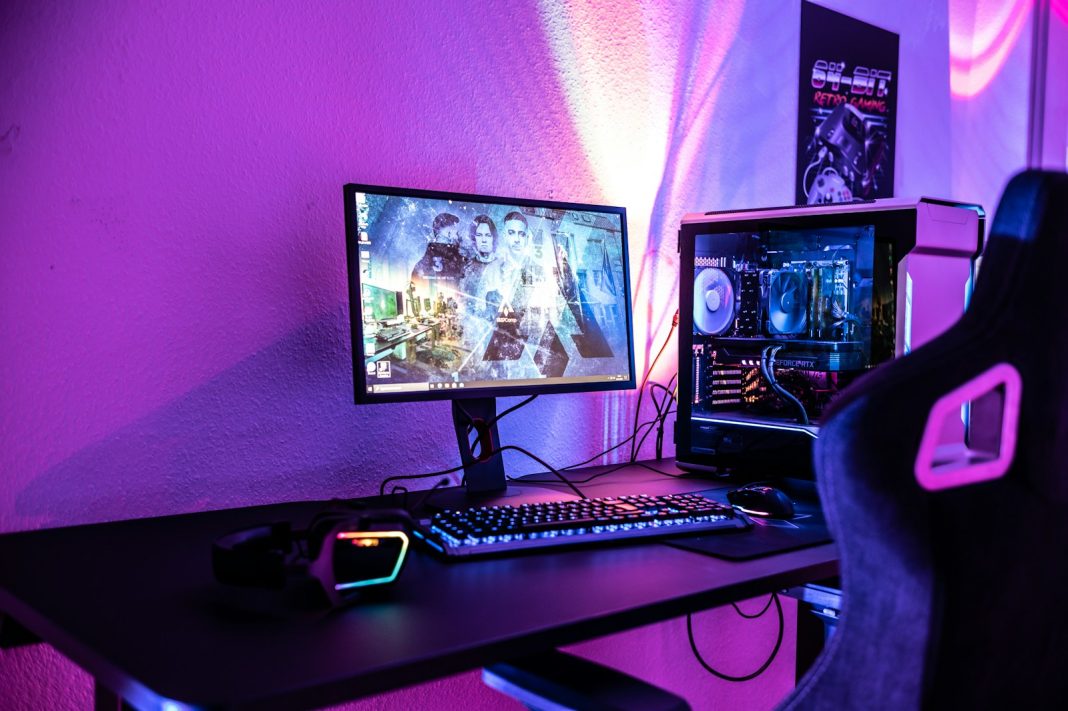
In the glowing light of computer monitors and roaring arenas filled with digital warriors, esports has transformed from a niche hobby into a global phenomenon. What began as friendly LAN matches between college students has grown into a multibillion-dollar industry, complete with professional teams, sponsorships, and fanbases that rival traditional sports. But as the industry shines brighter each year, a shadow grows behind it — a quiet, complex struggle that’s often ignored: the mental health of its players.
While the world sees the glamour, sponsorship deals, and thrilling plays, few see the exhaustion, anxiety, and psychological toll behind the pixels. The story of esports is not just one of skill and competition; it’s also a story of invisible battles fought in silence, often in isolation.
The Rise of a Digital Arena
To understand the mental strain of esports, one must first understand its meteoric rise. Games like League of Legends, Counter-Strike 2, Dota 2, Valorant, and Fortnite have redefined what it means to be an athlete. Reflexes, strategy, and teamwork dominate the screen, but behind every click lies years of practice — hours upon hours of relentless repetition. Many professionals start training as teenagers, committing 10 to 12 hours a day to hone their mechanics and game sense.
Unlike traditional sports, esports lacks a clear off-season. Patches roll out, metas shift, and new competitors rise overnight. The environment is fast, unforgiving, and brutally merit-based. Players who fall behind risk losing contracts, reputation, and relevance in a matter of months. That constant pressure breeds excellence — but it also breeds exhaustion.
For many, gaming was once an escape, a place of freedom and fun. But when your passion becomes your profession, the line between leisure and labor vanishes. What was once play now feels like survival.
Perfectionism and Pressure
In the esports world, performance isn’t measured by months or seasons — it’s measured by seconds. A mistimed ability, a missed shot, or a bad rotation can cost not just a match, but an entire career trajectory. The weight of expectation is immense. Fans, coaches, sponsors, and even teammates demand consistency and excellence at all times.
Many professional players are barely in their twenties, yet carry the emotional load of veterans. For them, failure isn’t just a loss — it’s a public spectacle, replayed endlessly online, dissected by commentators, and mocked by strangers on Twitter or Reddit. That kind of scrutiny takes a toll.
Perfectionism becomes a cage. Even small mistakes can trigger cycles of self-doubt and over-analysis. Players chase flawless performances, often at the cost of sleep, diet, and social connection. Over time, burnout becomes not a risk, but an expectation. The irony is bitter: in a field built on precision and focus, mental clarity is often the first casualty.
Isolation Behind the Screen
Despite being a team-driven field, esports can be intensely lonely. Many players spend most of their days in front of screens, isolated from the outside world. Training schedules leave little room for normal social interactions. Even when surrounded by teammates, the environment can feel transactional — everyone competing for a spot, a contract, or a championship.
Physical disconnection amplifies emotional isolation. While traditional athletes experience camaraderie through physical presence — shared spaces, locker room banter, travel — esports players often communicate through headsets, separated by monitors and keyboards. The lack of human touch, expression, and empathy creates a sterile environment where emotions simmer quietly beneath the surface.
The pandemic magnified this issue. As competitions moved entirely online, players found themselves trapped in echo chambers — gaming for hours without leaving their rooms. Many described feeling detached from reality, as if their lives existed solely within the digital space. The body sat still, but the mind never stopped moving.
The Stigma of Seeking Help
One of the harshest realities of esports is that the industry, for all its innovation, is still learning how to take care of its people. Conversations about mental health are growing, but stigma lingers. Many players fear being labeled as “weak” or “unstable” if they admit to anxiety, depression, or burnout. In a field built on quick thinking and composure, showing vulnerability can feel like career suicide.
Organizations are beginning to acknowledge the problem, but progress is uneven. Some top-tier teams have hired sports psychologists or wellness coaches, but many smaller organizations lack the resources or awareness to do the same. Even when help is available, players often hesitate to use it. The culture of “grind until you succeed” runs deep — a badge of honor that’s hard to remove.
Ironically, the very skills that make esports players great — discipline, focus, and obsession — can also make them prone to neglecting their own wellbeing. They push harder, train longer, and tell themselves that fatigue is weakness, not warning. It’s a dangerous cycle, one that too often ends in silence.
Burnout: The Invisible Opponent
Burnout in esports is a quiet epidemic. It doesn’t announce itself with injuries or broken bones, but with exhaustion, irritability, and a loss of joy. For some players, it happens gradually — a creeping numbness that dulls even victory. For others, it arrives abruptly, triggered by one bad season or a string of defeats.
When burnout hits, it’s not just performance that suffers — it’s identity. Many players tie their entire self-worth to their in-game results. Without success, they feel lost. It’s not uncommon for retired professionals — some barely 25 — to struggle with depression or identity crises after leaving the competitive scene. Years of tunnel vision leave them unsure who they are beyond the game.
The industry often praises resilience but rarely provides recovery. Contracts expire, new talents emerge, and the cycle continues. The machine moves on, even when its gears are breaking.
Balancing the Game: A New Approach
If esports is to sustain its explosive growth, it must evolve beyond mechanical excellence. Mental health has to become part of the conversation — not an afterthought, but a foundation. That means changing not just how teams train, but how they think.
Several organizations are beginning to lead the way. Some have introduced mandatory rest days, structured physical exercise, and regular sessions with sports psychologists. Others have built performance labs where players learn mindfulness, emotional regulation, and stress management. The goal is not to weaken competition, but to make it healthier.
Players, too, are finding their voices. Former professionals like Hai Lam and xPeke have spoken openly about the toll of burnout and the importance of emotional balance. Streamers and content creators have joined the movement, encouraging fans to view mental health as strength, not weakness. The tide is turning, slowly but surely.
Technology itself can also play a role. AI-driven wellness tracking, ergonomic gaming setups, and screen time management tools can all help players maintain equilibrium. But the real change will come from culture — from redefining what it means to be a successful gamer. Victory shouldn’t just mean outscoring opponents; it should mean outlasting the grind without losing yourself.
Beyond the Game: Humanity First
At its core, esports is not about pixels or prizes — it’s about people. Behind every highlight reel is a human being with hopes, fears, and vulnerabilities. As the industry matures, it must remember that mental health isn’t a side quest; it’s the main storyline. Without balance, even the brightest stars burn out too soon.
The hidden challenge of esports isn’t just reaction time or strategy — it’s sustainability. How can we build an environment where competition thrives without consuming those who make it possible? The answer lies in empathy, awareness, and a willingness to slow down in a culture obsessed with speed.
The next generation of players deserves more than applause; they deserve protection. For every championship trophy lifted, there should be an equal effort to lift the spirits of those who carry it. Because in the end, no victory is worth winning if it costs the player their peace of mind.