
Once upon a time, the technologies that now define our daily routines were the stuff of futuristic fantasies. The sleek holograms of Star Wars, the talking computers of Star Trek, and the self-driving cars of Minority Report seemed light-years away from possibility. Science fiction was not merely storytelling—it was collective dreaming, a mirror held up to our hopes, fears, and imagination of progress. Today, however, those dreams are not confined to pages or screens. They’re sitting in our pockets, driving our cars, managing our homes, and even monitoring our health. The boundary between fiction and reality has dissolved, replaced by a seamless blend of imagination and innovation.
This transformation is not the result of one invention, but of a technological convergence that has redefined human living—artificial intelligence, robotics, biotechnology, augmented reality, and automation all working together to reshape what it means to be modern. The future is no longer coming. It’s already here.
The Voice of the Future: Living with Artificial Intelligence
Perhaps the most intimate form of futuristic technology is the voice that now answers when we speak. Virtual assistants like Siri, Alexa, and Google Assistant were once novelties; now they’re household companions. What used to be the exclusive domain of science fiction AI—like HAL 9000 or Jarvis—is now woven into daily routines: managing schedules, ordering groceries, and even dimming the lights with a single command.
Artificial intelligence has quietly become the invisible engine of modern life. Recommendation systems on Netflix and Spotify predict what we’ll enjoy next. AI algorithms optimize traffic lights in major cities, detect financial fraud, and assist doctors in diagnosing diseases. The boundary between machine and mind has blurred to the point that we often don’t realize how deeply AI shapes our choices. The futuristic fantasy of machines understanding and anticipating human behavior has been realized—not through humanoid robots, but through lines of code running behind every click, swipe, and voice command.
Yet this integration raises a deeper question: as AI learns more about us, are we learning less about ourselves? In exchange for convenience, we’ve entrusted algorithms with our preferences, our data, even our decisions. The balance between empowerment and dependence may well define the next chapter of human evolution.
Smart Homes and Digital Ecosystems
In the mid-20th century, authors imagined homes that could think—kitchens that cooked automatically, climate systems that adjusted to mood, mirrors that spoke. Today, smart homes are turning that fantasy into reality. With devices like Amazon Echo, Nest thermostats, and smart fridges, our living spaces have become responsive, almost alive. They can sense, adapt, and interact.
These homes are more than luxuries; they represent a shift in how we perceive comfort and control. For some, the digital home is a sanctuary of efficiency—one where energy use is optimized, security is automated, and time is reclaimed. For others, it’s a symbol of surveillance capitalism, where every command and gesture feeds corporate data systems. Either way, the fact remains: the home has become a microcosm of our technological world—an ecosystem where humans and machines coexist in a delicate symbiosis.
The Age of Wearable Intelligence
In science fiction, technology was often external—a spaceship, a robot, a gadget. In today’s reality, it’s intimate, personal, wearable. Devices like Apple Watch, Fitbit, and Oura Ring have transformed health into a data-driven experience. They track heart rates, sleep cycles, oxygen levels, and even stress patterns, turning our bodies into real-time information systems. What once required a hospital visit can now be monitored by glancing at your wrist.
Beyond fitness, wearables are evolving into medical tools. Smart contact lenses are being tested to measure glucose levels. Neural interfaces, such as those developed by Neuralink, aim to connect human brains directly to computers. The science fiction dream of human enhancement—where body and machine merge seamlessly—is inching closer to reality.
This shift also redefines self-awareness. Health no longer depends solely on symptoms or doctor visits—it’s an ongoing dialogue between our biology and technology. But as we measure more, we also become quantified selves, data points in vast networks. The challenge ahead is to ensure that this knowledge empowers rather than enslaves.
Transportation Reimagined: The Road to Autonomy
Few technologies capture the public imagination quite like self-driving cars. Once depicted as futuristic fantasies in films like Total Recall or I, Robot, autonomous vehicles are now being tested in real cities. Companies like Tesla, Waymo, and Uber have brought automation to the highways, transforming the act of driving into a collaboration between human and machine.
Beyond cars, transportation itself is undergoing a revolution. Electric scooters, drones, and high-speed hyperloops promise cleaner, faster, and more sustainable movement. Even space travel—once reserved for astronauts and science fiction heroes—is becoming commercial reality through companies like SpaceX and Blue Origin. The dream of crossing planetary boundaries is no longer distant—it’s a business plan.
But this evolution also forces society to confront difficult questions: Who bears responsibility in an automated accident? How do we balance efficiency with ethical programming? In many ways, the technology has advanced faster than our moral frameworks can follow.
The Augmented and Virtual Worlds We Live In
One of the most striking technological transformations of the last decade lies in how we experience reality itself. Virtual and augmented realities—once the backdrop of speculative fiction—are now gateways to new ways of living, learning, and connecting. VR headsets immerse users in synthetic worlds for gaming, education, or therapy, while AR overlays digital information onto the physical environment, blurring the distinction between what’s real and what’s imagined.
Applications go far beyond entertainment. Surgeons use augmented reality to visualize organs during operations. Architects simulate entire cities before a single brick is laid. Educators transport students to ancient civilizations through immersive lessons. The “metaverse,” a term borrowed from science fiction, is evolving into an ecosystem of virtual collaboration where geography no longer limits creativity.
We are, in essence, living in an era where reality has become a spectrum—not a single state. The lines between the tangible and the digital are dissolving, inviting both wonder and unease.
Robotics and the Human Touch
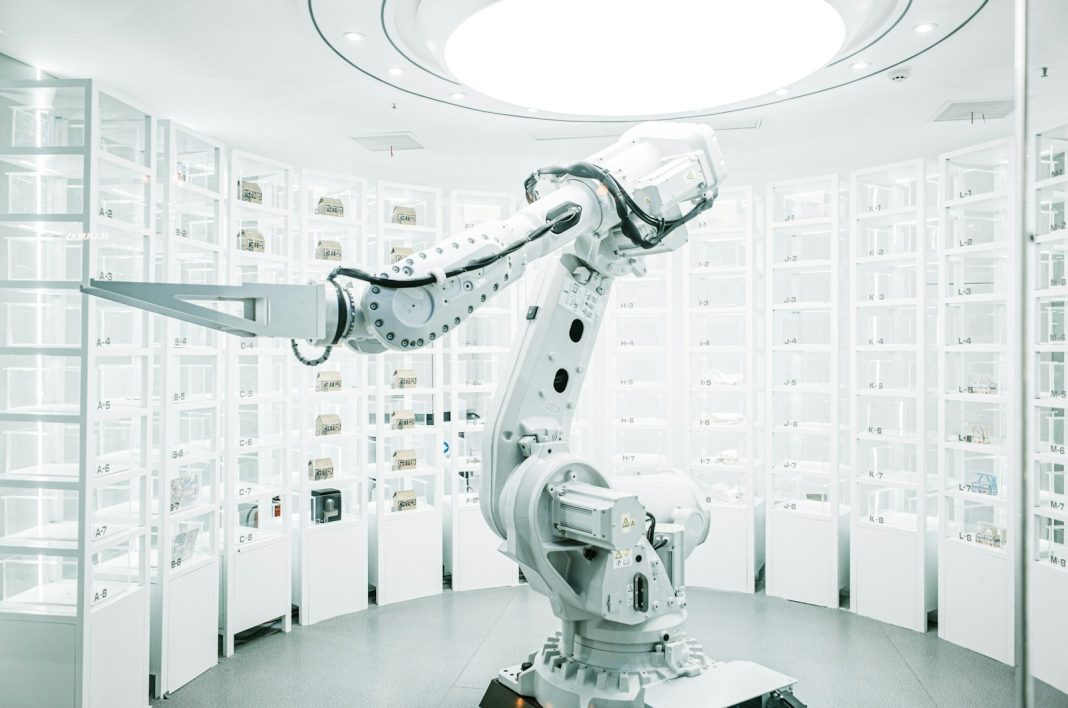
If artificial intelligence represents the mind of modern technology, robotics represents its body. Robots clean our homes, assist in surgeries, and even provide companionship to the elderly. In Japan, robotic caretakers like Pepper are being introduced into nursing facilities, offering emotional support and social interaction. In warehouses, robotic systems work alongside humans, handling tasks with precision and speed unimaginable a decade ago.
But the more robots resemble humans—both in behavior and empathy—the more we are forced to reconsider what it means to be human. Can a machine comfort, love, or understand? Or are these experiences uniquely tied to consciousness? These questions, once confined to philosophy or fiction, now occupy engineers and ethicists alike.
The arrival of social robots reveals something profound about our species: technology doesn’t just change how we live—it changes how we love, how we relate, and how we define connection.
Biotechnology and the Rewriting of Life
Perhaps the most astonishing frontier is the one inside us. Biotechnology has turned the human body into a canvas for innovation. Genetic editing tools like CRISPR allow scientists to modify DNA with unprecedented accuracy, offering hope for curing inherited diseases and even extending human longevity. Artificial organs and 3D-printed tissues are no longer experimental dreams but emerging realities in medical labs.
The implications stretch beyond medicine. Synthetic biology is reprogramming cells to produce biofuels and biodegradable plastics, merging sustainability with science. The ability to rewrite life itself—once a power reserved for deities and science fiction heroes—now sits in human hands. With it comes both promise and peril: ethical dilemmas that will shape the moral fabric of the century.
The Invisible Revolution: Data as the New Reality
All these technologies—AI, robotics, wearables, biotechnology—share a common thread: data. Our world now runs on invisible currents of information. Every click, heartbeat, and spoken command feeds vast networks that learn, adapt, and evolve. Data has become the new electricity, powering every innovation and reshaping every industry.
But while data empowers, it also exposes. Privacy, once a personal right, has become a complex negotiation. In our quest for smarter technologies, we’ve created systems that watch us as much as they serve us. The challenge ahead will not be stopping innovation—it will be humanizing it, ensuring that the technologies born from imagination remain accountable to humanity itself.