
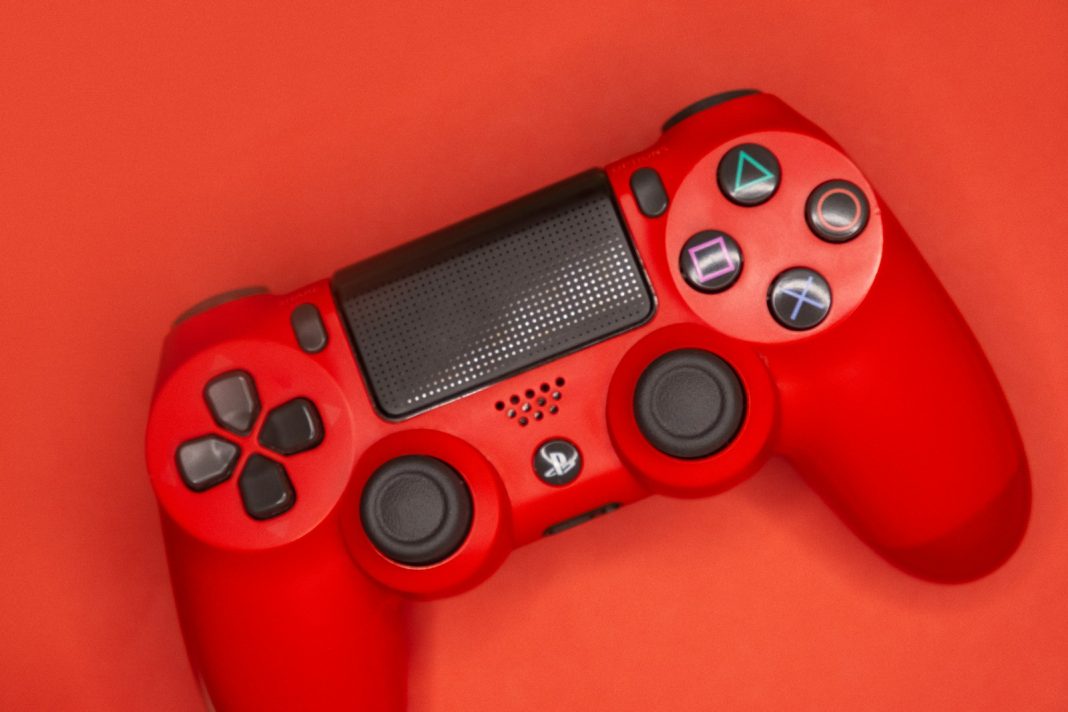
The battle between consoles and PCs has raged for decades, with each generation of hardware reigniting debates among gamers, tech enthusiasts, and developers alike. By 2026, this rivalry has entered a fascinating new phase. The rise of cloud-based gaming, cross-platform play, and hardware innovation has blurred the lines that once separated console and PC gaming. Yet, despite convergence, each platform still offers a distinct experience that appeals to different kinds of players. So, as of 2026, who really wins — the next-gen consoles or the ever-evolving PC?
The Evolution of Console Gaming
Consoles have come a long way from the pixelated simplicity of early systems like the Atari or the original Nintendo Entertainment System. By 2026, the PlayStation 6, Xbox Infinite, and Nintendo’s hybrid successors have redefined what a console can do. No longer just boxes that sit under the TV, modern consoles have become entertainment hubs, integrating cloud computing, social interactivity, and near-instant game streaming.
One of the most significant leaps in this new generation is accessibility. Consoles have continued to deliver a “plug-and-play” experience that PCs still struggle to match. Gamers don’t need to worry about drivers, optimization, or system compatibility — they simply turn the device on and play. In a world where time is scarce, that kind of frictionless entertainment has powerful appeal.
Moreover, console developers have harnessed AI and machine learning to optimize performance dynamically. Real-time resolution scaling, adaptive frame-rate management, and predictive rendering make 2026 consoles more efficient than ever. Even though their raw specs might not outpace a high-end PC, their optimization often allows games to perform on par with much more expensive setups.
Exclusive titles also continue to define console ecosystems. Sony’s investment in narrative-driven blockbusters and Microsoft’s push for ecosystem-wide Game Pass integration have ensured that players remain loyal. Nintendo, meanwhile, thrives by doing what no one else dares — focusing on creativity, gameplay innovation, and nostalgia. These exclusive experiences are something PC gaming, despite its vastness, rarely replicates at the same cultural scale.
The PC’s Enduring Dominance in Power and Flexibility
While consoles have grown smarter and sleeker, PCs have never stopped evolving. In 2026, PC gaming remains the pinnacle of power and customization. With the release of NVIDIA’s RTX 5090 series and AMD’s Ryzen 9000 chips, high-end rigs deliver levels of performance once unimaginable. 8K gaming at 120 frames per second is now feasible, while ray tracing, path tracing, and AI-driven rendering have become mainstream.
But raw performance is only part of the PC’s appeal. What truly sets PC gaming apart in 2026 is its ecosystem’s openness and flexibility. Players can tailor their experiences, whether through modding, custom peripherals, or specialized software. PC gaming is a platform for experimentation — from indie developers testing ideas on Steam to enthusiasts creating entire virtual worlds with advanced mod tools.
Moreover, the PC remains the heart of emerging technologies like virtual reality (VR) and augmented reality (AR). While consoles have dabbled in these areas, the PC’s hardware versatility and power still provide the best environment for immersive experiences. Games like Starfield: Deep Space Horizon or Cyberpunk 2077 Redux VR demonstrate how far this technology has come — experiences that consoles, even in 2026, can only partially replicate.
Another defining advantage of the PC ecosystem is longevity. Consoles have fixed lifespans, usually 6–8 years, but a gaming PC can evolve continuously. A new GPU, more RAM, or a faster SSD can breathe new life into an old setup. That modular upgradability makes PC gaming more future-proof — even if it demands more technical know-how and a thicker wallet.
The Cloud, Cross-Platform Play, and the Blurring Line
Perhaps the most defining shift in 2026 is how little platform boundaries matter compared to a decade ago. Cloud gaming has disrupted the old dichotomy between consoles and PCs. With services like Xbox Cloud, PlayStation Stream, and NVIDIA GeForce Now 3.0 offering near-lagless 4K streaming, players can enjoy top-tier games without owning powerful hardware.
Cross-platform play has also dissolved many long-standing walls. Games like Call of Duty: Warzone III or Fortnite Nexus allow players from all systems — console, PC, and even mobile — to compete together. This evolution has made the “console vs. PC” debate less about hardware superiority and more about ecosystem preference.
In many cases, cloud technology has actually favored consoles. By combining hardware optimization with server-side processing, consoles can deliver experiences that rival mid-range PCs without requiring expensive upgrades. On the flip side, PC gamers benefit from versatility — many now use cloud gaming for convenience while maintaining their local setups for competitive or creative tasks.
Cost, Convenience, and the Gamer’s Lifestyle
One of the most practical differentiators between consoles and PCs remains cost. In 2026, a high-end gaming PC can easily run $3,000 or more, especially with top-tier components and peripherals. Meanwhile, next-gen consoles typically retail for under $600, offering remarkably strong performance per dollar. For the average gamer, that’s a massive difference — especially in a world where inflation and chip shortages have affected component prices.
That said, the economics of gaming go beyond the initial purchase. Console users are often locked into proprietary ecosystems with subscription costs — Game Pass, PlayStation Plus, or Nintendo Online — which can add up over time. PC gamers, while spending more upfront, enjoy access to broader marketplaces and deep discounts through platforms like Steam, Epic Games Store, or GOG.
In terms of lifestyle, consoles still dominate the living room. They’re social, easy to share, and designed for comfort. PCs, though, are personal — the domain of enthusiasts, streamers, and creatives. That difference mirrors the cultural divide between “gaming as a pastime” and “gaming as a passion.” The console player relaxes after work; the PC gamer builds rigs, tweaks graphics, and obsesses over performance. Neither approach is superior — they simply reflect different identities within gaming culture.
The Role of AI and Customization in 2026
Artificial intelligence has become one of the most transformative forces in gaming, and its role differs sharply between consoles and PCs. Console manufacturers have leveraged AI to simplify user experience — smart voice assistants, adaptive difficulty levels, and automatic content generation help players get into games faster with less hassle. PC gamers, by contrast, use AI creatively and technically — AI-driven overclocking, personalized optimization profiles, and even AI-assisted game modding are commonplace.
AI-driven personalization in 2026 means that every gamer’s experience can be subtly unique. On consoles, AI tailors gameplay and recommendations; on PCs, it empowers users to push hardware and creativity to new limits. It’s this dual application that keeps both platforms compelling in different ways — consoles for accessibility, PCs for control.
Cultural Identity and Community
Beyond hardware and performance, the heart of gaming lies in community. Console ecosystems foster tight-knit social circles — shared achievements, integrated chat systems, and cooperative play. For many, these social features are as vital as the games themselves. Xbox and PlayStation communities have evolved into massive social networks, where players share clips, trophies, and memories effortlessly.
PC gaming, meanwhile, remains the beating heart of online gaming culture. From Reddit mod forums to Discord servers, the PC community thrives on creativity and collaboration. Modders extend the lifespan of games like Skyrim and GTA V far beyond their release dates. Streamers and esports pros, most of whom favor PCs, define trends and set standards for what “serious” gaming looks like.
So, Who Wins in 2026?
The honest answer is: no one — and everyone. By 2026, the distinction between consoles and PCs has become less about rivalry and more about coexistence. Each platform has mastered its identity. Consoles have perfected convenience, accessibility, and exclusive content. PCs continue to reign supreme in customization, power, and creative freedom.
The real “winner” depends on what gaming means to the individual. For those who crave cinematic adventures, social ease, and simplicity, consoles are unmatched. For players who see gaming as both art and engineering — a space to tinker, experiment, and explore — PCs remain the ultimate playground.
In truth, the debate itself may be nearing its end. As cross-platform ecosystems and cloud integration deepen, the question of who wins may soon become irrelevant. By 2026, gaming has evolved beyond the boundaries of devices — it’s become a universal experience, one that transcends hardware and unites players in ways no one could have imagined just a decade ago.