
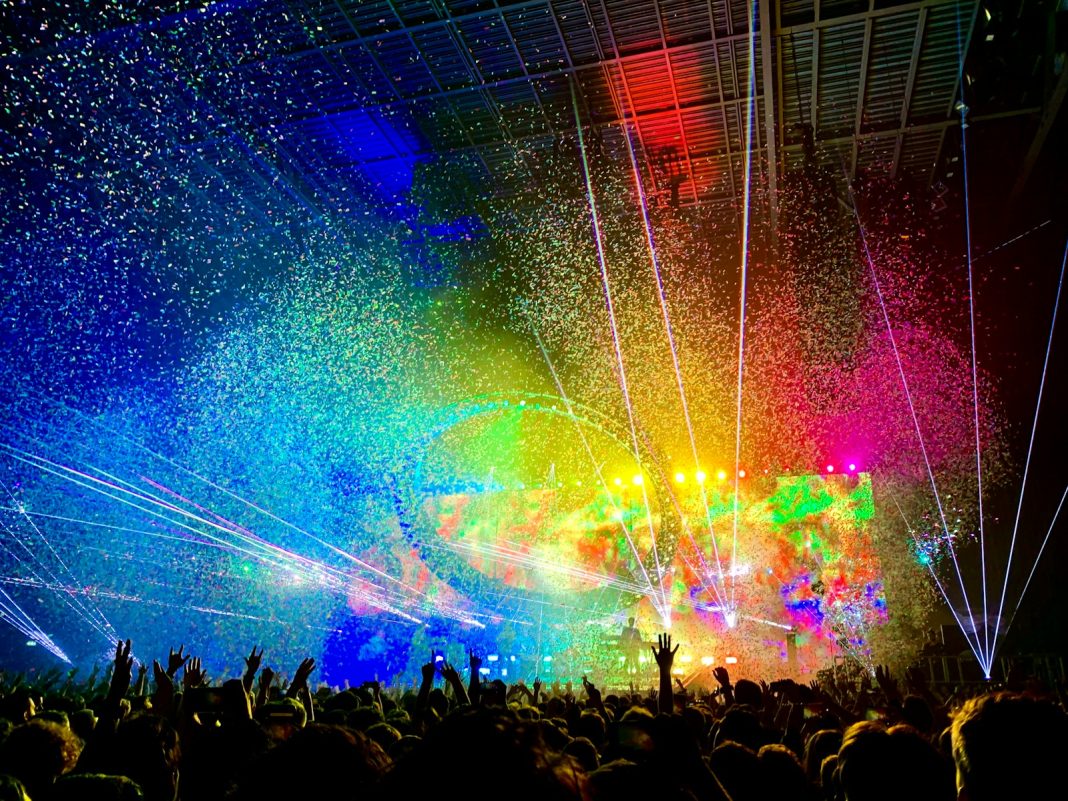
In the past, gaming was dismissed as a hobby — a way to unwind after school, or a distraction from “real life.” Today, it’s an empire. Esports tournaments fill arenas, sponsorships rival traditional sports, and professional gamers earn careers that once seemed impossible. But beneath the flashing lights and high-stakes competitions lies a quieter story: one of relentless discipline, mental resilience, and the constant pressure to perform. The world sees the victories, the trophies, the highlight reels — but the secrets that keep pro gamers at the top are forged in the hours no one watches.
More Than Reflexes: The Science of Mastery
To the casual observer, professional gaming might look like fast fingers and good aim. But in truth, elite players rely on a delicate blend of mechanical skill, strategic understanding, and emotional control. Reflexes can make a difference, but they aren’t enough. At the highest level, everyone reacts quickly — what separates the best is how they think.
Take League of Legends, Counter-Strike 2, or Valorant, for example. Every top player knows that individual brilliance only matters within the framework of strategy. Split-second decisions about positioning, resource allocation, and timing determine victory or defeat. A pro’s mind becomes a living computer, constantly processing variables — map control, enemy psychology, cooldown management, even crowd energy. The key is not just reacting faster, but predicting smarter.
And prediction, it turns out, is a trained skill. Top gamers spend thousands of hours analyzing replays, studying opponents’ habits, and dissecting their own mistakes. The ability to anticipate what will happen next — sometimes called “game sense” — isn’t instinct; it’s learned pattern recognition, honed through repetition and reflection. It’s a kind of intuition that only looks effortless once it’s been earned.
Training Like an Athlete
The comparison between esports and traditional sports is no longer a stretch — it’s a reality. Professional gaming teams now employ nutritionists, sports psychologists, and fitness trainers. The reason is simple: physical health affects mental performance. A tired body means a slower brain, and in a world where milliseconds decide outcomes, that’s unacceptable.
Top players structure their days like athletes. They warm up before practice, reviewing mechanics and reflex drills. They schedule scrimmages (practice matches) to test new strategies under real pressure. They rest deliberately, understanding that burnout is the silent killer of performance. Many even follow exercise routines designed to reduce wrist strain, improve posture, and maintain endurance during long tournaments.
The myth of the gamer who survives on junk food and energy drinks is outdated. The best in the business treat their bodies like instruments. For every hour spent in-game, there’s another spent managing recovery, diet, and mental balance. Staying at the top isn’t just about playing harder — it’s about living smarter.
The Mental Game: Focus, Pressure, and Resilience
Perhaps the biggest secret in professional gaming is that it’s as much psychological as it is mechanical. Pressure can shatter even the most skilled players. A sold-out arena, millions watching online, the knowledge that one misclick could cost a team hundreds of thousands of dollars — that’s a lot to carry.
So, the best players train their minds as rigorously as their hands. Visualization techniques are common: rehearsing scenarios mentally, picturing success, and building confidence before stepping onto the stage. Many also use meditation and breathing exercises to stay calm during high-stress moments. Maintaining composure when everything’s on the line isn’t natural — it’s trained.
There’s also the emotional endurance required to handle defeat. In competitive gaming, losses are frequent and often brutal. A single mistake can be replayed endlessly by fans and critics online. The ability to move forward — to analyze what went wrong without collapsing under the weight of it — is what separates short-lived stars from enduring champions. As one pro once put it, “You can’t stay on top if you’re afraid to lose.”
Team Dynamics and Communication
Even in solo titles, gaming is rarely a solitary pursuit. Behind every pro player stands a network — coaches, analysts, teammates, and managers — all contributing to success. In team-based games, synergy is everything. Communication isn’t just about calling plays; it’s about trust. A team that functions like a family will outperform one that’s fractured by ego.
Top teams spend countless hours not just practicing gameplay, but practicing communication. They review how they speak under stress, how they handle conflicts, and how they recover from breakdowns in morale. The chemistry seen on stage is built behind closed doors — through shared meals, honest feedback, and sometimes heated arguments that lead to growth.
Esports organizations understand this too. Many now invest in team houses or boot camps where players live and train together. It’s a crucible of chemistry — part military camp, part family home. And while tensions inevitably flare, it’s this constant proximity that forges unity. The best teams win not just because they play together, but because they believe together.
Adaptation: The True Mark of Longevity
In gaming, the meta — the most effective strategies or character builds — changes constantly. Developers tweak game balance, new patches drop, and what worked yesterday might fail tomorrow. The best players aren’t just good; they’re adaptable. They reinvent themselves constantly, mastering new characters, roles, or playstyles before the competition catches up.
This adaptability is what defines legends. Players like Faker in League of Legends or s1mple in Counter-Strike aren’t just mechanically gifted — they’re students of change. They read updates like textbooks, experiment relentlessly, and stay humble enough to learn even after years at the top.
Complacency is the enemy. The moment a pro stops evolving, the next generation surpasses them. That’s why longevity in esports is so rare. The players who survive do so not because they’re unbeatable, but because they refuse to stop learning. As one veteran player once said, “You can’t beat the game, but you can learn to dance with it.”
The Role of Community and Legacy
Every pro gamer starts as a fan. They grew up watching streams, idolizing players, and dreaming of the big stage. That sense of community never disappears — in fact, it becomes a source of motivation. The top players often give back by streaming, coaching, or mentoring newcomers. Sharing knowledge isn’t just good PR; it’s how they stay connected to the roots of why they started playing.
This exchange between pros and fans keeps esports alive. It’s not just competition — it’s culture. From grassroots tournaments to massive international events, the energy comes from people who care deeply about the games they play. When fans cheer, they’re not just celebrating skill; they’re celebrating dedication, sacrifice, and the courage to keep chasing improvement.
Legacy, too, matters deeply. The best don’t just want to win; they want to inspire. They understand that staying at the top isn’t only about trophies, but about shaping the future — showing others what’s possible when passion meets discipline.
Beyond the Screen: The Human Side of Gaming
It’s easy to see pro gamers as digital warriors, but behind every perfect headshot or clutch victory is a human being. They deal with the same challenges as anyone else: self-doubt, exhaustion, homesickness. The difference is, they face them under a microscope. In a culture where fans can instantly voice their opinions, every mistake becomes public property.
That’s why support systems — family, friends, coaches — are crucial. The best players know when to step away, when to rest, and when to ask for help. Staying at the top means understanding your limits and protecting your passion from burnout. It’s not just about the game; it’s about balance.